 |
 |
 |
 |
 |
|
 |
|
 |
|
 |
|
 |
|
 |
|
|
|
 |
|
|
|
 |
|
|
|
 |
 |
Exploring the Best Pet Insurance Cover: A Comprehensive GuideAs pet owners, we often find ourselves in the position of making crucial decisions that impact the well-being of our beloved furry companions. One such decision is choosing the right pet insurance cover. With an ever-growing number of options available, it can feel overwhelming to sift through the fine print and jargon, but fear not! This guide aims to provide a clear, comprehensive overview of what to consider when selecting the best pet insurance for your needs. Firstly, let's acknowledge that every pet is unique, and so are their healthcare needs. Therefore, it's vital to evaluate what kind of coverage is suitable for your pet's specific circumstances. A young, healthy dog might require different coverage than an older cat with pre-existing conditions. Pet insurance generally falls into three categories: accident-only, accident and illness, and comprehensive plans. Accident-only policies are typically the most affordable, covering unexpected injuries from mishaps such as broken bones or swallowed objects. On the other hand, accident and illness plans extend coverage to a range of diseases and medical conditions, often proving beneficial for those concerned about hereditary or chronic issues. Comprehensive plans are the most extensive, offering a broad spectrum of coverage that may include wellness visits, vaccinations, and even dental care. When delving into the world of pet insurance, one must also consider policy limits and deductibles. Policy limits can either be per-incident, annual, or lifetime. A per-incident limit specifies the maximum amount the insurer will pay for each separate claim, while an annual limit caps the total amount paid out within a year. Lifetime limits, although less common, indicate the maximum payout over the course of the policyholder's life. Deductibles, which are the amount you pay out-of-pocket before insurance kicks in, can be structured annually or per incident, and choosing a higher deductible often results in lower monthly premiums. It's a balancing act that requires careful consideration of your financial situation and risk tolerance. Another essential factor is the reimbursement rate. This is the percentage of the vet bill that the insurance will cover after the deductible is met. Most policies offer reimbursement rates of 70%, 80%, or 90%, allowing pet owners to select a rate that aligns with their budget and desired level of financial protection. While a higher reimbursement rate provides greater coverage, it also typically means higher premiums, so striking a balance that suits your financial comfort zone is key. Moreover, it's crucial to scrutinize the exclusions and waiting periods. Common exclusions include pre-existing conditions, certain hereditary conditions, and routine care unless specified in a wellness add-on. Waiting periods, which can range from a few days to several weeks, are the time frames you must wait after purchasing the policy before coverage begins. Understanding these nuances is fundamental to avoid any unpleasant surprises down the road. In addition to the technical aspects, customer service and company reputation are pivotal. A provider with a stellar reputation for processing claims efficiently and offering responsive customer support can make a significant difference when you’re in a stressful situation. Reading reviews and seeking recommendations from fellow pet owners or your veterinarian can provide valuable insights into the reliability of a provider. Finally, while cost is undeniably a significant factor in the decision-making process, it shouldn't be the sole determinant. As with many things in life, cheaper isn't always better. Weighing the pros and cons of each plan, considering the unique needs of your pet, and understanding the terms thoroughly will empower you to make a choice that ensures peace of mind and protects your pet's health. After all, the best pet insurance cover is one that aligns with both your pet’s needs and your financial circumstances, providing a safety net that allows you to focus on what truly matters-cherishing the moments spent with your furry friend. https://bestfriends.org/pet-care-resources/pet-insurance-worth-it-what-know-about-dog-and-cat-coverage
Pet insurance companies: Comparing coverage - 24PetWatch - AKC Pet Insurance - ASPCA Pet Health Insurance - Fetch Pet Insurance (Best Friends Animal Society partner) ... https://www.businessinsider.com/personal-finance/pet-insurance/best-pet-insurance
Best Pet Insurance - Best for Chronic Conditions: Trupanion Pet Insurance - Best for 100% Reimbursement: Figo Pet Insurance - Best for Exotic Pets: ... https://www.quora.com/Who-has-the-best-pet-insurance-with-good-coverage-and-low-monthly-payments
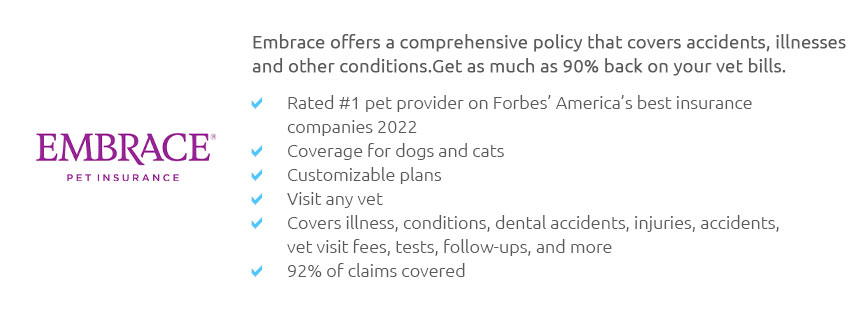
Best Pet Insurance Companies OF The Year * Embrace Best For Superior Benefits * Pets Best Great For Choices Of Deductible * ManyPets ...
|
